Property Movement Surveys
Subsidence Surveys in Stratford-on-Avon
Get clarity on unexplained cracks and movement. Book Now
Property Movement Surveys
Get clarity on unexplained cracks and movement. Book Now
A subsidence survey can help establish whether visible cracking or distortion is consistent with significant ground or foundation movement. It can also help identify other explanations, which is important because not every structural-looking crack is caused by subsidence.
We focus the survey on the symptoms you have noticed, the construction of the property and the areas most relevant to the concern. The aim is to give you useful information for deciding what should happen next.

A useful subsidence survey connects visible symptoms with the wider condition of the building rather than treating individual cracks in isolation.
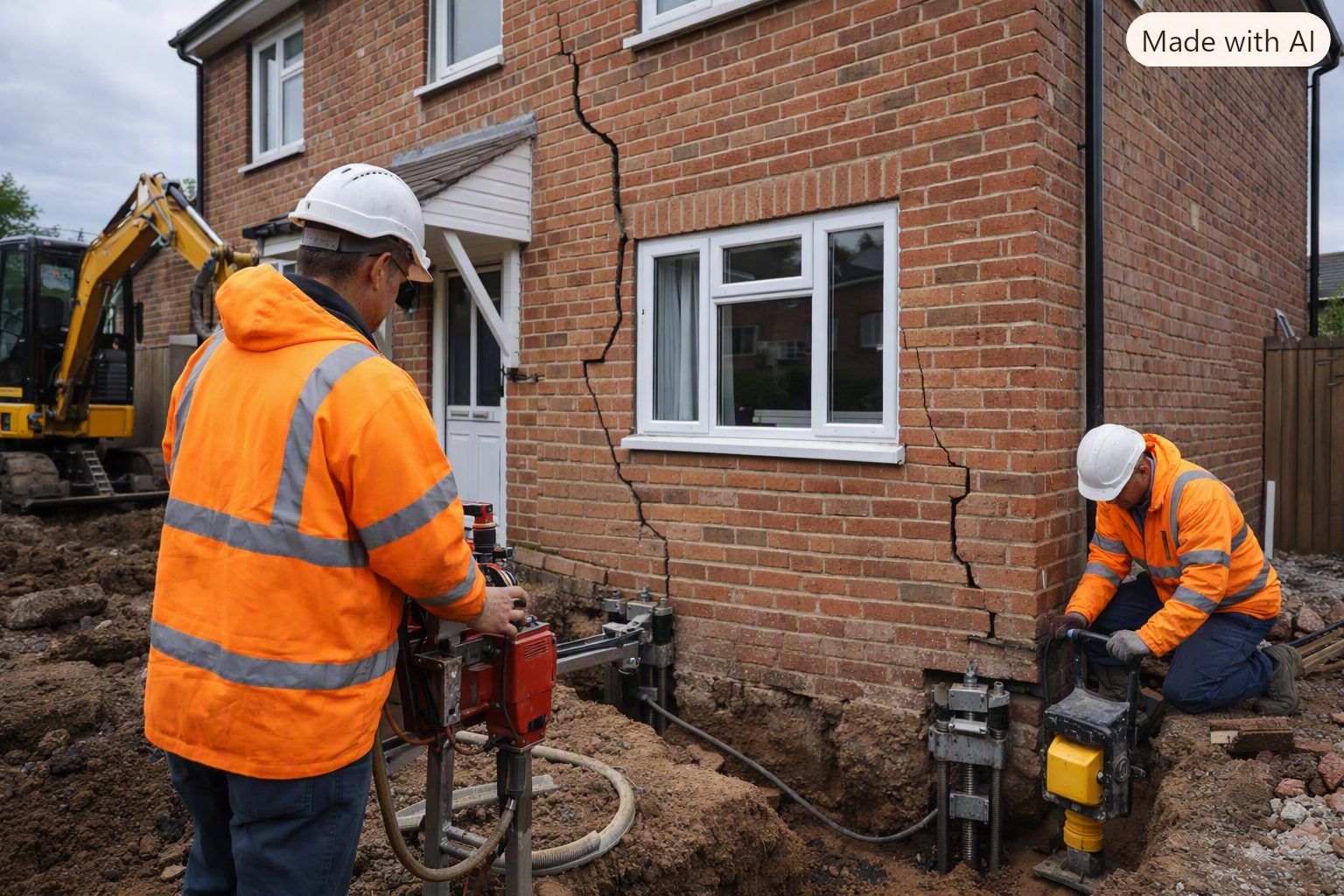
The position, direction, width and distribution of cracking can provide useful clues about building movement.
We look for related signs such as distortion, changes around openings and uneven areas.
Possible contributors include drainage, vegetation, ground conditions, settlement and foundation performance.
We explain what the findings suggest and whether monitoring, further investigation or repair should be considered.
| Service | Estimated Cost | Average |
|---|---|---|
| Basic visual assessment | £200–£400 | £300 |
| Detailed subsidence survey | £400–£900 | £650 |
| Complex investigation | £900–£1,500+ | £1,200 |
Indicative figures only. Survey costs vary according to property size, complexity, access and the level of investigation required.

We assess the overall pattern of movement rather than jumping to conclusions from one isolated crack.
We explain what we see and what it may mean without unnecessary technical language.
The purpose of the survey is to help you make a sensible decision about monitoring or remedial work.
If you are unsure what your property's cracks mean, a focused survey can be a useful first step. [CTA:book]
Free — no obligations

We gather information about the property, the visible symptoms and how they have changed.
The property is assessed with attention to cracking, distortion, construction and potential causes.
We consider whether the observed symptoms are consistent with significant movement and what further evidence may be needed.
You receive practical guidance about monitoring, further investigation or potential repair.